Buy epracticejournal.eu ?
We are moving the project
epracticejournal.eu .
Are you interested in purchasing the domain
epracticejournal.eu ?
domain@kv-gmbh.de · 0541-91531010
Buy epracticejournal.eu ?
What is critical rationalism?
Critical rationalism is a philosophical approach that emphasizes the importance of critical thinking and skepticism in the pursuit of knowledge. It was developed by philosopher Karl Popper and is based on the idea that knowledge can never be fully justified or proven, but can only be tested and criticized. Critical rationalism encourages the constant questioning and testing of theories and beliefs, and rejects the notion of absolute truth. It also emphasizes the importance of openness to new ideas and the willingness to revise or abandon theories in the face of new evidence. **
What does rationalism mean?
Rationalism is a philosophical belief that emphasizes the role of reason and logic in understanding the world. It holds that knowledge is primarily derived from reason and intellectual processes, rather than from sensory experience or religious faith. Rationalists believe that certain truths can be known a priori, or independently of experience, through the use of reason. This approach to knowledge contrasts with empiricism, which emphasizes the importance of sensory experience in acquiring knowledge. **


Similar search terms for Rationalism
Top-Angebote
Products related to Rationalism:
-
Perfect Picks Market Montessori Reusable Learning Cards Set For Kids Early Education Writing Practice Game Montessori Reusable Learning Cards Set For Kids Early Education Writing Practice GameTurn everyday learning into a fun, handson experience with these Montessori toys designed to spark curiosity and creativity. This engaging set of reusable cards helps young children build essential skills through play, making it perfect for early...39,97 $*Shipping: 0,00 $Secure redirect to the provider
-
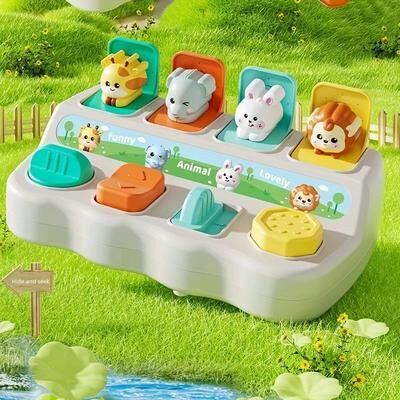
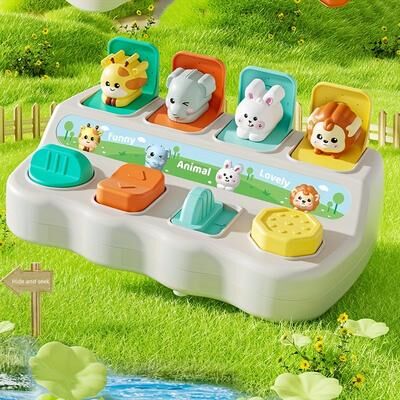
Inspired Living Montessori Pop Up Animal Learning Box For Fine Motor & Early Skill Development Montessori Pop Up Animal Learning Box For Fine Motor & Early Skill DevelopmentTurn playtime into a joyful learning experience with this engaging Montessori toy designed to spark curiosity and build essential skills. Created for toddlers and young children, this interactive pop up animal toy combines fun surprises with...23,97 $*Shipping: 0,00 $Secure redirect to the provider
-
JoyToys Montessori Baby Sensory Tissue Box Early Learning Toy For Fine Motor Skill Development Montessori Baby Sensory Tissue Box Early Learning Toy For Fine Motor Skill DevelopmentExperience the joy of watching your little one learn through play with this Montessori baby toy designed to spark curiosity from the very first touch. This engaging sensory tissue box encourages babies to pull, grasp, explore, and discover while...34,97 $*Shipping: 0,00 $Secure redirect to the provider
-
Tiny Tots Teens Trends Drawer Game Early Education Montessori Wooden Pitch Ball Box Preschool Learning Training Toy Drawer Game Early Education Montessori Wooden Pitch Ball Box Preschool Learning Training ToyThis Montessori Wooden Pitch Ball Box Drawer Game is a thoughtfully designed earlyeducation toy that transforms playtime into purposeful learning. Crafted for toddlers and preschoolers, it offers a handson, engaging way to support key developmental...39,97 $*Shipping: 0,00 $Secure redirect to the provider



-
What is critical rationalism 2?
Critical rationalism 2 is an extension of the original critical rationalism philosophy developed by Karl Popper. It emphasizes the importance of critical thinking and skepticism in the pursuit of knowledge. This approach encourages individuals to actively seek out and challenge their own beliefs and assumptions, as well as those of others, in order to continually refine and improve their understanding of the world. Critical rationalism 2 also emphasizes the role of conjectures and refutations in the development of knowledge, and the recognition that all knowledge is fallible and subject to revision in light of new evidence. **
-
Would you prefer rationalism or empiricism?
As an AI language model, I do not have personal preferences. However, both rationalism and empiricism have their strengths and weaknesses. Rationalism emphasizes the role of reason and innate ideas in acquiring knowledge, while empiricism focuses on the importance of sensory experience and observation. Both approaches have contributed to our understanding of the world, and a balanced approach that incorporates elements of both rationalism and empiricism may be the most effective way to gain knowledge and understanding. **
-
How did Kant unite empiricism and rationalism?
Kant united empiricism and rationalism by proposing that both are necessary for a complete understanding of the world. He argued that our knowledge begins with sensory experience (empiricism), but it is then shaped and organized by our innate mental structures and concepts (rationalism). According to Kant, our minds actively construct our experience of the world by organizing sensory data according to certain a priori categories, such as space, time, and causality. This synthesis of empirical data and rational concepts allows us to have a more comprehensive understanding of the world. **
-
What is the difference between skepticism and rationalism?
Skepticism is the questioning of knowledge and beliefs, often doubting the certainty of truth claims and requiring evidence or justification for beliefs. Rationalism, on the other hand, is the belief that reason and logic are the primary sources of knowledge and justification for beliefs. While skepticism focuses on questioning and doubting beliefs, rationalism emphasizes the importance of reason and logical thinking in forming beliefs and understanding the world. **

What is the difference between empiricism and rationalism?
Empiricism is the belief that knowledge comes primarily from sensory experience and observation of the external world. Rationalism, on the other hand, is the belief that knowledge comes primarily from reason and logic. Empiricists rely on evidence and experimentation to support their beliefs, while rationalists prioritize deductive reasoning and innate ideas. In essence, empiricism emphasizes the importance of experience, while rationalism emphasizes the importance of reason. **
What is your opinion on René Descartes' rationalism?
I believe that René Descartes' rationalism is a valuable philosophical approach that emphasizes the power of human reason and logic in understanding the world. Descartes' method of doubt and his famous statement "I think, therefore I am" laid the foundation for modern philosophy and the scientific method. While some may criticize his reliance on reason over sensory experience, I think Descartes' rationalism has greatly contributed to the development of critical thinking and skepticism in philosophical inquiry. **
Top-Angebote
Products related to Rationalism:
-
Perfect Picks Market Geometric Building Blocks Set For Kids Early Education Intelligence Development Toy Geometric Building Blocks Set For Kids Early Education Intelligence Development ToyUnlock your child's potential with this early education equipment designed to stimulate creativity and intelligence! This geometric set is the perfect building block toy for boys, helping to develop problemsolving skills while having fun. The...35,97 $*Shipping: 0,00 $Secure redirect to the provider
-
JoyToys Smart Kids Learning Laptop Educational Laptop Toy For Preschool English Learning & Skill Development pinkExperience the joy of watching your child learn through play with this educational laptop toy designed to make every lesson fun and engaging. Perfect for toddlers and preschoolers, this interactive learning computer introduces letters, numbers,...34,97 $*Shipping: 0,00 $Secure redirect to the provider
-
Perfect Picks Market Montessori Reusable Learning Cards Set For Kids Early Education Writing Practice Game Montessori Reusable Learning Cards Set For Kids Early Education Writing Practice GameTurn everyday learning into a fun, handson experience with these Montessori toys designed to spark curiosity and creativity. This engaging set of reusable cards helps young children build essential skills through play, making it perfect for early...39,97 $*Shipping: 0,00 $Secure redirect to the provider
-
Inspired Living Montessori Pop Up Animal Learning Box For Fine Motor & Early Skill Development Montessori Pop Up Animal Learning Box For Fine Motor & Early Skill DevelopmentTurn playtime into a joyful learning experience with this engaging Montessori toy designed to spark curiosity and build essential skills. Created for toddlers and young children, this interactive pop up animal toy combines fun surprises with...23,97 $*Shipping: 0,00 $Secure redirect to the provider
-
What is critical rationalism?
Critical rationalism is a philosophical approach that emphasizes the importance of critical thinking and skepticism in the pursuit of knowledge. It was developed by philosopher Karl Popper and is based on the idea that knowledge can never be fully justified or proven, but can only be tested and criticized. Critical rationalism encourages the constant questioning and testing of theories and beliefs, and rejects the notion of absolute truth. It also emphasizes the importance of openness to new ideas and the willingness to revise or abandon theories in the face of new evidence. **
-
What does rationalism mean?
Rationalism is a philosophical belief that emphasizes the role of reason and logic in understanding the world. It holds that knowledge is primarily derived from reason and intellectual processes, rather than from sensory experience or religious faith. Rationalists believe that certain truths can be known a priori, or independently of experience, through the use of reason. This approach to knowledge contrasts with empiricism, which emphasizes the importance of sensory experience in acquiring knowledge. **
-
What is critical rationalism 2?
Critical rationalism 2 is an extension of the original critical rationalism philosophy developed by Karl Popper. It emphasizes the importance of critical thinking and skepticism in the pursuit of knowledge. This approach encourages individuals to actively seek out and challenge their own beliefs and assumptions, as well as those of others, in order to continually refine and improve their understanding of the world. Critical rationalism 2 also emphasizes the role of conjectures and refutations in the development of knowledge, and the recognition that all knowledge is fallible and subject to revision in light of new evidence. **
-
Would you prefer rationalism or empiricism?
As an AI language model, I do not have personal preferences. However, both rationalism and empiricism have their strengths and weaknesses. Rationalism emphasizes the role of reason and innate ideas in acquiring knowledge, while empiricism focuses on the importance of sensory experience and observation. Both approaches have contributed to our understanding of the world, and a balanced approach that incorporates elements of both rationalism and empiricism may be the most effective way to gain knowledge and understanding. **
Similar search terms for Rationalism
-
JoyToys Montessori Baby Sensory Tissue Box Early Learning Toy For Fine Motor Skill Development Montessori Baby Sensory Tissue Box Early Learning Toy For Fine Motor Skill DevelopmentExperience the joy of watching your little one learn through play with this Montessori baby toy designed to spark curiosity from the very first touch. This engaging sensory tissue box encourages babies to pull, grasp, explore, and discover while...34,97 $*Shipping: 0,00 $Secure redirect to the provider
-
Tiny Tots Teens Trends Drawer Game Early Education Montessori Wooden Pitch Ball Box Preschool Learning Training Toy Drawer Game Early Education Montessori Wooden Pitch Ball Box Preschool Learning Training ToyThis Montessori Wooden Pitch Ball Box Drawer Game is a thoughtfully designed earlyeducation toy that transforms playtime into purposeful learning. Crafted for toddlers and preschoolers, it offers a handson, engaging way to support key developmental...39,97 $*Shipping: 0,00 $Secure redirect to the provider
-
Market Central Montessori Pop Up Animal Toy Learning Box For Kids Logic And Motor Skill Development Montessori Pop Up Animal Toy Learning Box For Kids Logic And Motor Skill DevelopmentMake learning exciting with a playful toy that helps children explore, discover, and build confidence through handson activities. This Montessori pop up animal toy combines fun surprises with skillbuilding exercises designed for toddlers and young...37,97 $*Shipping: 0,00 $Secure redirect to the provider
-
Inspired Living Montessori Wooden Shape Puzzle Board For Kids Learning & Brain Development aTurn playtime into a handson learning adventure with this beautifully crafted wooden puzzle toy designed to inspire curious young minds. Made for toddlers and preschoolers, this engaging board helps children recognize shapes, improve coordination,...23,97 $*Shipping: 0,00 $Secure redirect to the provider
-
How did Kant unite empiricism and rationalism?
Kant united empiricism and rationalism by proposing that both are necessary for a complete understanding of the world. He argued that our knowledge begins with sensory experience (empiricism), but it is then shaped and organized by our innate mental structures and concepts (rationalism). According to Kant, our minds actively construct our experience of the world by organizing sensory data according to certain a priori categories, such as space, time, and causality. This synthesis of empirical data and rational concepts allows us to have a more comprehensive understanding of the world. **
-
What is the difference between skepticism and rationalism?
Skepticism is the questioning of knowledge and beliefs, often doubting the certainty of truth claims and requiring evidence or justification for beliefs. Rationalism, on the other hand, is the belief that reason and logic are the primary sources of knowledge and justification for beliefs. While skepticism focuses on questioning and doubting beliefs, rationalism emphasizes the importance of reason and logical thinking in forming beliefs and understanding the world. **
-
What is the difference between empiricism and rationalism?
Empiricism is the belief that knowledge comes primarily from sensory experience and observation of the external world. Rationalism, on the other hand, is the belief that knowledge comes primarily from reason and logic. Empiricists rely on evidence and experimentation to support their beliefs, while rationalists prioritize deductive reasoning and innate ideas. In essence, empiricism emphasizes the importance of experience, while rationalism emphasizes the importance of reason. **
-
What is your opinion on René Descartes' rationalism?
I believe that René Descartes' rationalism is a valuable philosophical approach that emphasizes the power of human reason and logic in understanding the world. Descartes' method of doubt and his famous statement "I think, therefore I am" laid the foundation for modern philosophy and the scientific method. While some may criticize his reliance on reason over sensory experience, I think Descartes' rationalism has greatly contributed to the development of critical thinking and skepticism in philosophical inquiry. **
* All prices are inclusive of VAT and, if applicable, plus shipping costs. The offer information is based on the details provided by the respective shop and is updated through automated processes. Real-time updates do not occur, so deviations can occur in individual cases. ** Note: Parts of this content were created by AI.