Buy epracticejournal.eu ?
We are moving the project
epracticejournal.eu .
Are you interested in purchasing the domain
epracticejournal.eu ?
domain@kv-gmbh.de · 0541-91531010
Buy epracticejournal.eu ?
What is the difference between ce que qui and nur que qui?
"Ce que" and "qui" are used in French to introduce relative clauses, while "nur que" and "qui" are used in German. In French, "ce que" is used to introduce a relative clause that functions as the direct object of the main clause, while "qui" is used to introduce a relative clause that functions as the subject of the main clause. In German, "nur que" is used to introduce a relative clause that functions as the direct object of the main clause, while "qui" is used to introduce a relative clause that functions as the subject of the main clause. **
When do we use ce qui, ce que, qui, que, dont, and lequel?
We use "ce qui" when the subject of the verb is unknown or unspecified. "Ce que" is used when the object of the verb is unknown or unspecified. "Qui" is used as the subject of the verb, while "que" is used as the direct object of the verb. "Dont" is used to indicate possession or relationship, and "lequel" is used to refer to a specific noun that has been previously mentioned. **

Similar search terms for Qui
Top-Angebote
Products related to Qui:
-
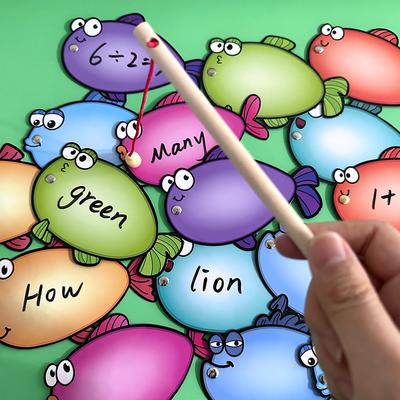
Perfect Picks Market Montessori Reusable Learning Cards Set For Kids Early Education Writing Practice Game Montessori Reusable Learning Cards Set For Kids Early Education Writing Practice GameTurn everyday learning into a fun, handson experience with these Montessori toys designed to spark curiosity and creativity. This engaging set of reusable cards helps young children build essential skills through play, making it perfect for early...39,97 $*Shipping: 0,00 $Secure redirect to the provider
-
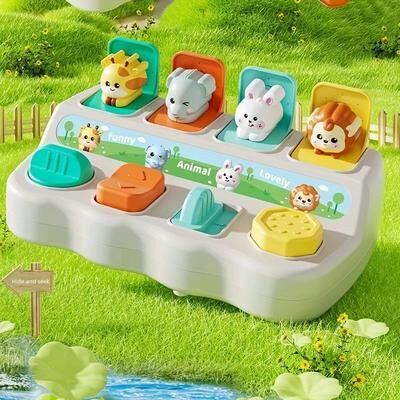
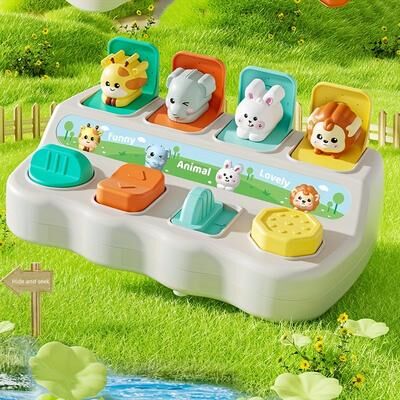
Inspired Living Montessori Pop Up Animal Learning Box For Fine Motor & Early Skill Development Montessori Pop Up Animal Learning Box For Fine Motor & Early Skill DevelopmentTurn playtime into a joyful learning experience with this engaging Montessori toy designed to spark curiosity and build essential skills. Created for toddlers and young children, this interactive pop up animal toy combines fun surprises with...23,97 $*Shipping: 0,00 $Secure redirect to the provider
-
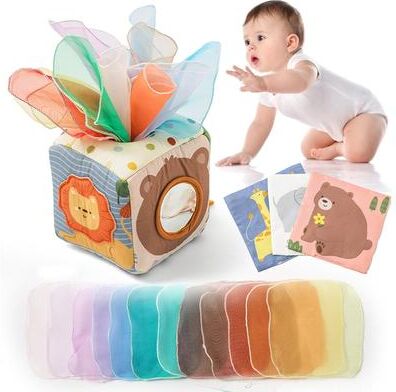
JoyToys Montessori Baby Sensory Tissue Box Early Learning Toy For Fine Motor Skill Development Montessori Baby Sensory Tissue Box Early Learning Toy For Fine Motor Skill DevelopmentExperience the joy of watching your little one learn through play with this Montessori baby toy designed to spark curiosity from the very first touch. This engaging sensory tissue box encourages babies to pull, grasp, explore, and discover while...34,97 $*Shipping: 0,00 $Secure redirect to the provider
-
Research-powered Eye Duo - Skincare Kit Charlotte Tilbury 3233 Charlotte's Research-powered Eye Duo Size:Darlings, unlock the secret to eyes that appear brighter, depuffed, smoother and younger with my Research-Powered Eye Duo! This CharlotteTilbury.com EXCLUSIVE skincare duo includes:94,05 £*Shipping: 0,00 £Secure redirect to the provider

-
Can someone explain to me what "que qui est ce que qui" means?
"Que qui est ce que qui" is not a standard phrase in French. It seems to be a combination of different question words and does not form a coherent question. "Que" means "what," "qui" means "who," and "est-ce que" is a phrase used to form yes/no questions. However, the combination of these words in this order does not make sense in French. It is possible that there was a mistake in the original question or that it was a typo. **
-
What is qui quae quod?
Qui quae quod is a Latin demonstrative pronoun that means "who," "which," or "what." It is used to refer to people, things, or ideas in a relative or interrogative context. In English, it can be translated as "who," "which," or "what," depending on the context in which it is used. **
-
How can one abbreviate 'que qui'?
One can abbreviate 'que qui' by using the abbreviation 'qq' in written communication. This abbreviation is commonly used in French to represent both 'que' and 'qui' in a more concise form. It is important to note that using abbreviations like 'qq' may be informal and should be used appropriately depending on the context. **
-
When do you use "ce que" and when just "que," and when "ce qui" or "qui"?
"Ce que" is used when the relative pronoun refers to an abstract idea or an entire clause, while "que" is used when it refers to a specific thing or person. For example, "Je sais ce que tu veux" (I know what you want) and "Je sais que tu veux partir" (I know that you want to leave). On the other hand, "ce qui" is used when the relative pronoun refers to the subject of the following clause, while "qui" is used when it refers to the subject of the main clause. For example, "Ce qui m'étonne, c'est qu'il soit parti" (What surprises me is that he left) and "La personne qui m'a aidé" (The person who helped me). **

When do we use "ce qui" in French in the present tense and when do we use "qui"?
In French, "ce qui" is used to introduce a subject or topic in a sentence, while "qui" is used as a subject pronoun. For example, "Ce qui m'intéresse, c'est la musique" (What interests me is music) uses "ce qui" to introduce the subject of the sentence. On the other hand, "La personne qui chante est ma sœur" (The person who is singing is my sister) uses "qui" as the subject pronoun referring to the person singing. **
When do you use "ce qui" and when do you use "qui" in French in the present tense?
In French, "qui" is used as a subject pronoun to refer to people or things that are the subject of the sentence. On the other hand, "ce qui" is used as a subject pronoun to refer to abstract ideas or concepts that are the subject of the sentence. For example, "Qui est-ce?" means "Who is it?" while "Ce qui est important, c'est de réussir" means "What is important is to succeed." **
Top-Angebote
Products related to Qui:
-
Perfect Picks Market Geometric Building Blocks Set For Kids Early Education Intelligence Development Toy Geometric Building Blocks Set For Kids Early Education Intelligence Development ToyUnlock your child's potential with this early education equipment designed to stimulate creativity and intelligence! This geometric set is the perfect building block toy for boys, helping to develop problemsolving skills while having fun. The...35,97 $*Shipping: 0,00 $Secure redirect to the provider
-
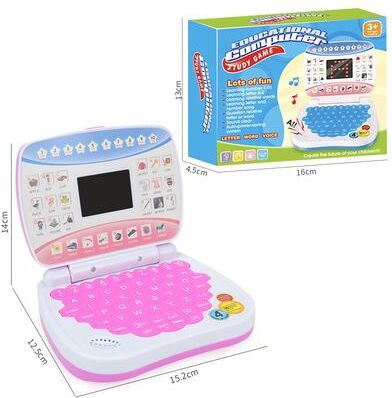
JoyToys Smart Kids Learning Laptop Educational Laptop Toy For Preschool English Learning & Skill Development pinkExperience the joy of watching your child learn through play with this educational laptop toy designed to make every lesson fun and engaging. Perfect for toddlers and preschoolers, this interactive learning computer introduces letters, numbers,...34,97 $*Shipping: 0,00 $Secure redirect to the provider
-
Perfect Picks Market Montessori Reusable Learning Cards Set For Kids Early Education Writing Practice Game Montessori Reusable Learning Cards Set For Kids Early Education Writing Practice GameTurn everyday learning into a fun, handson experience with these Montessori toys designed to spark curiosity and creativity. This engaging set of reusable cards helps young children build essential skills through play, making it perfect for early...39,97 $*Shipping: 0,00 $Secure redirect to the provider
-
Inspired Living Montessori Pop Up Animal Learning Box For Fine Motor & Early Skill Development Montessori Pop Up Animal Learning Box For Fine Motor & Early Skill DevelopmentTurn playtime into a joyful learning experience with this engaging Montessori toy designed to spark curiosity and build essential skills. Created for toddlers and young children, this interactive pop up animal toy combines fun surprises with...23,97 $*Shipping: 0,00 $Secure redirect to the provider
-
What is the difference between ce que qui and nur que qui?
"Ce que" and "qui" are used in French to introduce relative clauses, while "nur que" and "qui" are used in German. In French, "ce que" is used to introduce a relative clause that functions as the direct object of the main clause, while "qui" is used to introduce a relative clause that functions as the subject of the main clause. In German, "nur que" is used to introduce a relative clause that functions as the direct object of the main clause, while "qui" is used to introduce a relative clause that functions as the subject of the main clause. **
-
When do we use ce qui, ce que, qui, que, dont, and lequel?
We use "ce qui" when the subject of the verb is unknown or unspecified. "Ce que" is used when the object of the verb is unknown or unspecified. "Qui" is used as the subject of the verb, while "que" is used as the direct object of the verb. "Dont" is used to indicate possession or relationship, and "lequel" is used to refer to a specific noun that has been previously mentioned. **
-
Can someone explain to me what "que qui est ce que qui" means?
"Que qui est ce que qui" is not a standard phrase in French. It seems to be a combination of different question words and does not form a coherent question. "Que" means "what," "qui" means "who," and "est-ce que" is a phrase used to form yes/no questions. However, the combination of these words in this order does not make sense in French. It is possible that there was a mistake in the original question or that it was a typo. **
-
What is qui quae quod?
Qui quae quod is a Latin demonstrative pronoun that means "who," "which," or "what." It is used to refer to people, things, or ideas in a relative or interrogative context. In English, it can be translated as "who," "which," or "what," depending on the context in which it is used. **
Similar search terms for Qui
-
JoyToys Montessori Baby Sensory Tissue Box Early Learning Toy For Fine Motor Skill Development Montessori Baby Sensory Tissue Box Early Learning Toy For Fine Motor Skill DevelopmentExperience the joy of watching your little one learn through play with this Montessori baby toy designed to spark curiosity from the very first touch. This engaging sensory tissue box encourages babies to pull, grasp, explore, and discover while...34,97 $*Shipping: 0,00 $Secure redirect to the provider
-
Research-powered Eye Duo - Skincare Kit Charlotte Tilbury 3233 Charlotte's Research-powered Eye Duo Size:Darlings, unlock the secret to eyes that appear brighter, depuffed, smoother and younger with my Research-Powered Eye Duo! This CharlotteTilbury.com EXCLUSIVE skincare duo includes:94,05 £*Shipping: 0,00 £Secure redirect to the provider
-
Tiny Tots Teens Trends Drawer Game Early Education Montessori Wooden Pitch Ball Box Preschool Learning Training Toy Drawer Game Early Education Montessori Wooden Pitch Ball Box Preschool Learning Training ToyThis Montessori Wooden Pitch Ball Box Drawer Game is a thoughtfully designed earlyeducation toy that transforms playtime into purposeful learning. Crafted for toddlers and preschoolers, it offers a handson, engaging way to support key developmental...39,97 $*Shipping: 0,00 $Secure redirect to the provider
-
Market Central Montessori Pop Up Animal Toy Learning Box For Kids Logic And Motor Skill Development Montessori Pop Up Animal Toy Learning Box For Kids Logic And Motor Skill DevelopmentMake learning exciting with a playful toy that helps children explore, discover, and build confidence through handson activities. This Montessori pop up animal toy combines fun surprises with skillbuilding exercises designed for toddlers and young...37,97 $*Shipping: 0,00 $Secure redirect to the provider
-
How can one abbreviate 'que qui'?
One can abbreviate 'que qui' by using the abbreviation 'qq' in written communication. This abbreviation is commonly used in French to represent both 'que' and 'qui' in a more concise form. It is important to note that using abbreviations like 'qq' may be informal and should be used appropriately depending on the context. **
-
When do you use "ce que" and when just "que," and when "ce qui" or "qui"?
"Ce que" is used when the relative pronoun refers to an abstract idea or an entire clause, while "que" is used when it refers to a specific thing or person. For example, "Je sais ce que tu veux" (I know what you want) and "Je sais que tu veux partir" (I know that you want to leave). On the other hand, "ce qui" is used when the relative pronoun refers to the subject of the following clause, while "qui" is used when it refers to the subject of the main clause. For example, "Ce qui m'étonne, c'est qu'il soit parti" (What surprises me is that he left) and "La personne qui m'a aidé" (The person who helped me). **
-
When do we use "ce qui" in French in the present tense and when do we use "qui"?
In French, "ce qui" is used to introduce a subject or topic in a sentence, while "qui" is used as a subject pronoun. For example, "Ce qui m'intéresse, c'est la musique" (What interests me is music) uses "ce qui" to introduce the subject of the sentence. On the other hand, "La personne qui chante est ma sœur" (The person who is singing is my sister) uses "qui" as the subject pronoun referring to the person singing. **
-
When do you use "ce qui" and when do you use "qui" in French in the present tense?
In French, "qui" is used as a subject pronoun to refer to people or things that are the subject of the sentence. On the other hand, "ce qui" is used as a subject pronoun to refer to abstract ideas or concepts that are the subject of the sentence. For example, "Qui est-ce?" means "Who is it?" while "Ce qui est important, c'est de réussir" means "What is important is to succeed." **
* All prices are inclusive of VAT and, if applicable, plus shipping costs. The offer information is based on the details provided by the respective shop and is updated through automated processes. Real-time updates do not occur, so deviations can occur in individual cases. ** Note: Parts of this content were created by AI.