Buy epracticejournal.eu ?
We are moving the project
epracticejournal.eu .
Are you interested in purchasing the domain
epracticejournal.eu ?
domain@kv-gmbh.de · 0541-91531010
Buy epracticejournal.eu ?
What is the definition of learning progression?
A learning progression is a sequence of increasingly complex and sophisticated learning goals and skills that students are expected to achieve as they progress through their education. It outlines the specific knowledge, understanding, and abilities that students should develop at each stage of their learning journey. Learning progressions provide a roadmap for educators to design instruction, assessment, and support that is aligned with students' developmental levels and helps them advance from one level of proficiency to the next. **
What is a chord progression?
A chord progression is a series of chords played in a specific order that forms the harmonic structure of a piece of music. It is the sequence of chords that provides the foundation for the melody and rhythm of a song. Chord progressions are often repeated throughout a song and can create a sense of movement and resolution within the music. Different chord progressions can evoke different emotions and moods, and they are a fundamental element of music composition and songwriting. **


Similar search terms for Progression
Top-Angebote
Products related to Progression:
-
Perfect Picks Market Geometric Building Blocks Set For Kids Early Education Intelligence Development Toy Geometric Building Blocks Set For Kids Early Education Intelligence Development ToyUnlock your child's potential with this early education equipment designed to stimulate creativity and intelligence! This geometric set is the perfect building block toy for boys, helping to develop problemsolving skills while having fun. The...35,97 $*Shipping: 0,00 $Secure redirect to the provider
-
JoyToys Smart Kids Learning Laptop Educational Laptop Toy For Preschool English Learning & Skill Development pinkExperience the joy of watching your child learn through play with this educational laptop toy designed to make every lesson fun and engaging. Perfect for toddlers and preschoolers, this interactive learning computer introduces letters, numbers,...34,97 $*Shipping: 0,00 $Secure redirect to the provider




-
How is the progression clause calculated?
The progression clause is typically calculated based on a predetermined percentage increase applied to the original amount. For example, if the progression clause states a 5% increase annually, the new amount would be calculated by adding 5% of the original amount to the original amount. This process is repeated each year to determine the updated amount based on the specified percentage increase. **
-
Is there no progression in squats?
There is definitely progression in squats. As you continue to squat regularly, you will build strength in your lower body muscles, including your quadriceps, hamstrings, and glutes. Over time, you can increase the weight you are squatting, the number of repetitions, or the depth of your squat to continue challenging your muscles and seeing improvements in strength and muscle tone. Progression in squats is essential for continued growth and development in your lower body muscles. **
-
How does a blues chord progression work?
A blues chord progression typically follows a 12-bar structure, with each bar containing a specific chord. The progression often uses dominant 7th chords, giving it a distinct bluesy sound. The chords used in a blues progression are typically the I, IV, and V chords of a key, creating a sense of tension and resolution. The progression often repeats multiple times, allowing for improvisation and variation within the framework of the 12-bar structure. **
-
How can the curve's progression be explained?
The curve's progression can be explained by understanding the relationship between the variables being plotted. As one variable changes, it affects the other variable, causing the curve to shift or change shape. The progression of the curve can also be influenced by external factors or underlying patterns in the data. By analyzing the data and identifying these relationships, we can better understand how the curve progresses over time or with changing conditions. **
How does the blues chord progression work?
The blues chord progression typically follows a 12-bar structure, with each bar representing a measure of music. The progression is based on three primary chords - the I, IV, and V chords of a major scale. These chords create a sense of tension and resolution, characteristic of the blues sound. The progression often features dominant 7th chords to add a bluesy feel, and musicians may also incorporate variations and substitutions to add interest and complexity to the progression. Overall, the blues chord progression provides a solid foundation for improvisation and emotional expression in blues music. **
How can the curve progression be explained?
The progression of a curve can be explained by understanding the relationship between the curve's slope and its rate of change. As the slope of the curve changes, it affects the rate at which the curve is progressing. For example, if the slope of the curve is increasing, the curve will progress at a faster rate. Conversely, if the slope is decreasing, the curve will progress at a slower rate. Additionally, external factors such as forces or constraints can also influence the progression of a curve. Overall, the progression of a curve is determined by the interplay of its slope, rate of change, and external influences. **
Top-Angebote
Products related to Progression:
-
What is the definition of learning progression?
A learning progression is a sequence of increasingly complex and sophisticated learning goals and skills that students are expected to achieve as they progress through their education. It outlines the specific knowledge, understanding, and abilities that students should develop at each stage of their learning journey. Learning progressions provide a roadmap for educators to design instruction, assessment, and support that is aligned with students' developmental levels and helps them advance from one level of proficiency to the next. **
-
What is a chord progression?
A chord progression is a series of chords played in a specific order that forms the harmonic structure of a piece of music. It is the sequence of chords that provides the foundation for the melody and rhythm of a song. Chord progressions are often repeated throughout a song and can create a sense of movement and resolution within the music. Different chord progressions can evoke different emotions and moods, and they are a fundamental element of music composition and songwriting. **
-
How is the progression clause calculated?
The progression clause is typically calculated based on a predetermined percentage increase applied to the original amount. For example, if the progression clause states a 5% increase annually, the new amount would be calculated by adding 5% of the original amount to the original amount. This process is repeated each year to determine the updated amount based on the specified percentage increase. **
-
Is there no progression in squats?
There is definitely progression in squats. As you continue to squat regularly, you will build strength in your lower body muscles, including your quadriceps, hamstrings, and glutes. Over time, you can increase the weight you are squatting, the number of repetitions, or the depth of your squat to continue challenging your muscles and seeing improvements in strength and muscle tone. Progression in squats is essential for continued growth and development in your lower body muscles. **
Similar search terms for Progression
-
Perfect Picks Market Geometric Building Blocks Set For Kids Early Education Intelligence Development Toy Geometric Building Blocks Set For Kids Early Education Intelligence Development ToyUnlock your child's potential with this early education equipment designed to stimulate creativity and intelligence! This geometric set is the perfect building block toy for boys, helping to develop problemsolving skills while having fun. The...35,97 $*Shipping: 0,00 $Secure redirect to the provider
-
JoyToys Smart Kids Learning Laptop Educational Laptop Toy For Preschool English Learning & Skill Development pinkExperience the joy of watching your child learn through play with this educational laptop toy designed to make every lesson fun and engaging. Perfect for toddlers and preschoolers, this interactive learning computer introduces letters, numbers,...34,97 $*Shipping: 0,00 $Secure redirect to the provider
-
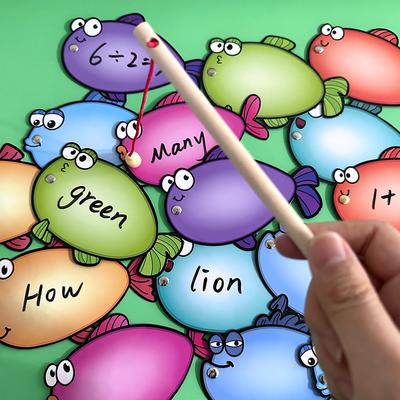
Perfect Picks Market Montessori Reusable Learning Cards Set For Kids Early Education Writing Practice Game Montessori Reusable Learning Cards Set For Kids Early Education Writing Practice GameTurn everyday learning into a fun, handson experience with these Montessori toys designed to spark curiosity and creativity. This engaging set of reusable cards helps young children build essential skills through play, making it perfect for early...39,97 $*Shipping: 0,00 $Secure redirect to the provider
-
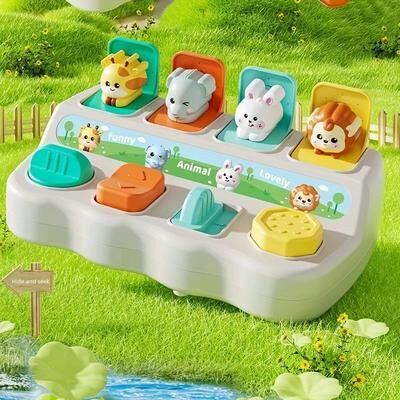
Inspired Living Montessori Pop Up Animal Learning Box For Fine Motor & Early Skill Development Montessori Pop Up Animal Learning Box For Fine Motor & Early Skill DevelopmentTurn playtime into a joyful learning experience with this engaging Montessori toy designed to spark curiosity and build essential skills. Created for toddlers and young children, this interactive pop up animal toy combines fun surprises with...23,97 $*Shipping: 0,00 $Secure redirect to the provider
-
How does a blues chord progression work?
A blues chord progression typically follows a 12-bar structure, with each bar containing a specific chord. The progression often uses dominant 7th chords, giving it a distinct bluesy sound. The chords used in a blues progression are typically the I, IV, and V chords of a key, creating a sense of tension and resolution. The progression often repeats multiple times, allowing for improvisation and variation within the framework of the 12-bar structure. **
-
How can the curve's progression be explained?
The curve's progression can be explained by understanding the relationship between the variables being plotted. As one variable changes, it affects the other variable, causing the curve to shift or change shape. The progression of the curve can also be influenced by external factors or underlying patterns in the data. By analyzing the data and identifying these relationships, we can better understand how the curve progresses over time or with changing conditions. **
-
How does the blues chord progression work?
The blues chord progression typically follows a 12-bar structure, with each bar representing a measure of music. The progression is based on three primary chords - the I, IV, and V chords of a major scale. These chords create a sense of tension and resolution, characteristic of the blues sound. The progression often features dominant 7th chords to add a bluesy feel, and musicians may also incorporate variations and substitutions to add interest and complexity to the progression. Overall, the blues chord progression provides a solid foundation for improvisation and emotional expression in blues music. **
-
How can the curve progression be explained?
The progression of a curve can be explained by understanding the relationship between the curve's slope and its rate of change. As the slope of the curve changes, it affects the rate at which the curve is progressing. For example, if the slope of the curve is increasing, the curve will progress at a faster rate. Conversely, if the slope is decreasing, the curve will progress at a slower rate. Additionally, external factors such as forces or constraints can also influence the progression of a curve. Overall, the progression of a curve is determined by the interplay of its slope, rate of change, and external influences. **
* All prices are inclusive of VAT and, if applicable, plus shipping costs. The offer information is based on the details provided by the respective shop and is updated through automated processes. Real-time updates do not occur, so deviations can occur in individual cases. ** Note: Parts of this content were created by AI.