Buy epracticejournal.eu ?
We are moving the project
epracticejournal.eu .
Are you interested in purchasing the domain
epracticejournal.eu ?
domain@kv-gmbh.de · 0541-91531010
Buy epracticejournal.eu ?
Is it a genitive object or an adverbial genitive?
The distinction between a genitive object and an adverbial genitive depends on the function of the genitive in the sentence. A genitive object typically functions as the direct object of a verb, indicating possession or association, while an adverbial genitive modifies the action of the verb, indicating manner, time, place, or other circumstances. To determine whether a genitive is a genitive object or an adverbial genitive, it is important to analyze the role it plays in the sentence and its relationship to the verb and other elements. **
'Genitive or accusative?'
The genitive case is used to show possession or relationship between nouns, while the accusative case is used to show the direct object of a verb. In general, the genitive case is used to indicate ownership or association, while the accusative case is used to indicate the direct object of a verb or the object of a preposition. The choice between genitive and accusative depends on the specific context and the grammatical rules of the language being used. **

Similar search terms for Genitive
Top-Angebote
Products related to Genitive:
-
Perfect Picks Market Montessori Reusable Learning Cards Set For Kids Early Education Writing Practice Game Montessori Reusable Learning Cards Set For Kids Early Education Writing Practice GameTurn everyday learning into a fun, handson experience with these Montessori toys designed to spark curiosity and creativity. This engaging set of reusable cards helps young children build essential skills through play, making it perfect for early...39,97 $*Shipping: 0,00 $Secure redirect to the provider
-
Inspired Living Montessori Pop Up Animal Learning Box For Fine Motor & Early Skill Development Montessori Pop Up Animal Learning Box For Fine Motor & Early Skill DevelopmentTurn playtime into a joyful learning experience with this engaging Montessori toy designed to spark curiosity and build essential skills. Created for toddlers and young children, this interactive pop up animal toy combines fun surprises with...23,97 $*Shipping: 0,00 $Secure redirect to the provider
-
JoyToys Montessori Baby Sensory Tissue Box Early Learning Toy For Fine Motor Skill Development Montessori Baby Sensory Tissue Box Early Learning Toy For Fine Motor Skill DevelopmentExperience the joy of watching your little one learn through play with this Montessori baby toy designed to spark curiosity from the very first touch. This engaging sensory tissue box encourages babies to pull, grasp, explore, and discover while...34,97 $*Shipping: 0,00 $Secure redirect to the provider
-
Tiny Tots Teens Trends Drawer Game Early Education Montessori Wooden Pitch Ball Box Preschool Learning Training Toy Drawer Game Early Education Montessori Wooden Pitch Ball Box Preschool Learning Training ToyThis Montessori Wooden Pitch Ball Box Drawer Game is a thoughtfully designed earlyeducation toy that transforms playtime into purposeful learning. Crafted for toddlers and preschoolers, it offers a handson, engaging way to support key developmental...39,97 $*Shipping: 0,00 $Secure redirect to the provider




-
Nominative or genitive?
Nominative and genitive are both grammatical cases in many languages, including Latin and German. The nominative case is used for the subject of a sentence, while the genitive case is used to show possession or relationship between nouns. In English, the genitive case is often indicated by adding an apostrophe and an "s" to a noun. **
-
Genitive or accusative?
The genitive case is used to show possession or relationship between nouns, while the accusative case is used to show the direct object of a verb or the object of certain prepositions. In general, the genitive case is used to indicate possession or belonging, while the accusative case is used to indicate the direct object of a verb or the object of a preposition. The choice between genitive and accusative depends on the specific context and the grammatical rules of the language being used. **
-
What is the difference between genitive attribute and genitive object?
The genitive attribute is a noun or pronoun that describes another noun by showing possession or association, typically indicated by the use of an apostrophe and the letter "s" ('s) or simply an apostrophe ('). For example, in the phrase "the car's color," "car's" is the genitive attribute describing the color. On the other hand, the genitive object is a noun or pronoun that receives the action of a verb and is also in the genitive case, indicating possession or association. For example, in the phrase "I saw the dog's tail," "dog's" is the genitive object showing possession of the tail. In summary, the genitive attribute describes the noun it is attached to, while the genitive object receives the action of the verb and shows possession or association. **
-
Dative or Genitive 2?
The choice between dative and genitive case in German depends on the verb or preposition being used. "Dative" is used to indicate the indirect object of a sentence, while "genitive" is used to show possession or a relationship between two nouns. "Genitive 2" specifically refers to the genitive case used after certain prepositions, such as trotz (despite) or während (during). It's important to learn the specific prepositions and verbs that require either dative or genitive case in order to use them correctly in German sentences. **


What is the difference between the genitive attribute and the genitive object?
The genitive attribute is a noun or pronoun that is used to describe another noun, showing possession or relationship, and is typically placed before the noun it is modifying. For example, "the car's color" where "car's" is the genitive attribute. On the other hand, the genitive object is a noun or pronoun that is the direct object of a verb and is in the genitive case to show possession or relationship. For example, "I saw the dog's tail" where "tail" is the genitive object. In summary, the genitive attribute describes a noun, while the genitive object is the direct object of a verb and shows possession or relationship. **
What is a genitive construction?
A genitive construction is a grammatical structure that shows possession or relationship between two nouns. It typically involves the use of an apostrophe followed by an "s" ('s) to indicate ownership, such as "the dog's tail." Genitive constructions can also be formed using prepositions like "of," as in "the tail of the dog." These constructions are commonly used in English to express possession, origin, or association. **
Top-Angebote
Products related to Genitive:
-
Perfect Picks Market Geometric Building Blocks Set For Kids Early Education Intelligence Development Toy Geometric Building Blocks Set For Kids Early Education Intelligence Development ToyUnlock your child's potential with this early education equipment designed to stimulate creativity and intelligence! This geometric set is the perfect building block toy for boys, helping to develop problemsolving skills while having fun. The...35,97 $*Shipping: 0,00 $Secure redirect to the provider
-
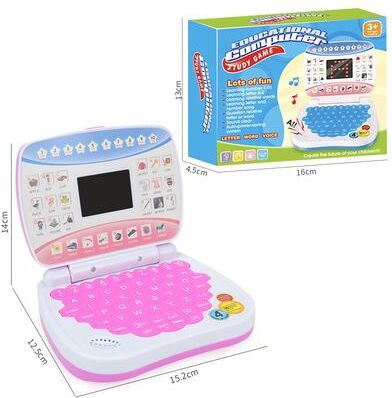
JoyToys Smart Kids Learning Laptop Educational Laptop Toy For Preschool English Learning & Skill Development pinkExperience the joy of watching your child learn through play with this educational laptop toy designed to make every lesson fun and engaging. Perfect for toddlers and preschoolers, this interactive learning computer introduces letters, numbers,...34,97 $*Shipping: 0,00 $Secure redirect to the provider
-
Perfect Picks Market Montessori Reusable Learning Cards Set For Kids Early Education Writing Practice Game Montessori Reusable Learning Cards Set For Kids Early Education Writing Practice GameTurn everyday learning into a fun, handson experience with these Montessori toys designed to spark curiosity and creativity. This engaging set of reusable cards helps young children build essential skills through play, making it perfect for early...39,97 $*Shipping: 0,00 $Secure redirect to the provider
-
Inspired Living Montessori Pop Up Animal Learning Box For Fine Motor & Early Skill Development Montessori Pop Up Animal Learning Box For Fine Motor & Early Skill DevelopmentTurn playtime into a joyful learning experience with this engaging Montessori toy designed to spark curiosity and build essential skills. Created for toddlers and young children, this interactive pop up animal toy combines fun surprises with...23,97 $*Shipping: 0,00 $Secure redirect to the provider
-
Is it a genitive object or an adverbial genitive?
The distinction between a genitive object and an adverbial genitive depends on the function of the genitive in the sentence. A genitive object typically functions as the direct object of a verb, indicating possession or association, while an adverbial genitive modifies the action of the verb, indicating manner, time, place, or other circumstances. To determine whether a genitive is a genitive object or an adverbial genitive, it is important to analyze the role it plays in the sentence and its relationship to the verb and other elements. **
-
'Genitive or accusative?'
The genitive case is used to show possession or relationship between nouns, while the accusative case is used to show the direct object of a verb. In general, the genitive case is used to indicate ownership or association, while the accusative case is used to indicate the direct object of a verb or the object of a preposition. The choice between genitive and accusative depends on the specific context and the grammatical rules of the language being used. **
-
Nominative or genitive?
Nominative and genitive are both grammatical cases in many languages, including Latin and German. The nominative case is used for the subject of a sentence, while the genitive case is used to show possession or relationship between nouns. In English, the genitive case is often indicated by adding an apostrophe and an "s" to a noun. **
-
Genitive or accusative?
The genitive case is used to show possession or relationship between nouns, while the accusative case is used to show the direct object of a verb or the object of certain prepositions. In general, the genitive case is used to indicate possession or belonging, while the accusative case is used to indicate the direct object of a verb or the object of a preposition. The choice between genitive and accusative depends on the specific context and the grammatical rules of the language being used. **
Similar search terms for Genitive
-
JoyToys Montessori Baby Sensory Tissue Box Early Learning Toy For Fine Motor Skill Development Montessori Baby Sensory Tissue Box Early Learning Toy For Fine Motor Skill DevelopmentExperience the joy of watching your little one learn through play with this Montessori baby toy designed to spark curiosity from the very first touch. This engaging sensory tissue box encourages babies to pull, grasp, explore, and discover while...34,97 $*Shipping: 0,00 $Secure redirect to the provider
-
Tiny Tots Teens Trends Drawer Game Early Education Montessori Wooden Pitch Ball Box Preschool Learning Training Toy Drawer Game Early Education Montessori Wooden Pitch Ball Box Preschool Learning Training ToyThis Montessori Wooden Pitch Ball Box Drawer Game is a thoughtfully designed earlyeducation toy that transforms playtime into purposeful learning. Crafted for toddlers and preschoolers, it offers a handson, engaging way to support key developmental...39,97 $*Shipping: 0,00 $Secure redirect to the provider
-
Market Central Montessori Pop Up Animal Toy Learning Box For Kids Logic And Motor Skill Development Montessori Pop Up Animal Toy Learning Box For Kids Logic And Motor Skill DevelopmentMake learning exciting with a playful toy that helps children explore, discover, and build confidence through handson activities. This Montessori pop up animal toy combines fun surprises with skillbuilding exercises designed for toddlers and young...37,97 $*Shipping: 0,00 $Secure redirect to the provider
-
Uplift Treasures Montessori Bell Toy For Sensory And Early Learning Development dust CollectorIgnite joyful discovery and real developmental growth with a toy that goes beyond entertainment the Montessori bell toy designed for curious learners. This engaging, handson sensory learning toy invites toddlers to explore sound, coordination, and...101,97 $*Shipping: 0,00 $Secure redirect to the provider
-
What is the difference between genitive attribute and genitive object?
The genitive attribute is a noun or pronoun that describes another noun by showing possession or association, typically indicated by the use of an apostrophe and the letter "s" ('s) or simply an apostrophe ('). For example, in the phrase "the car's color," "car's" is the genitive attribute describing the color. On the other hand, the genitive object is a noun or pronoun that receives the action of a verb and is also in the genitive case, indicating possession or association. For example, in the phrase "I saw the dog's tail," "dog's" is the genitive object showing possession of the tail. In summary, the genitive attribute describes the noun it is attached to, while the genitive object receives the action of the verb and shows possession or association. **
-
Dative or Genitive 2?
The choice between dative and genitive case in German depends on the verb or preposition being used. "Dative" is used to indicate the indirect object of a sentence, while "genitive" is used to show possession or a relationship between two nouns. "Genitive 2" specifically refers to the genitive case used after certain prepositions, such as trotz (despite) or während (during). It's important to learn the specific prepositions and verbs that require either dative or genitive case in order to use them correctly in German sentences. **
-
What is the difference between the genitive attribute and the genitive object?
The genitive attribute is a noun or pronoun that is used to describe another noun, showing possession or relationship, and is typically placed before the noun it is modifying. For example, "the car's color" where "car's" is the genitive attribute. On the other hand, the genitive object is a noun or pronoun that is the direct object of a verb and is in the genitive case to show possession or relationship. For example, "I saw the dog's tail" where "tail" is the genitive object. In summary, the genitive attribute describes a noun, while the genitive object is the direct object of a verb and shows possession or relationship. **
-
What is a genitive construction?
A genitive construction is a grammatical structure that shows possession or relationship between two nouns. It typically involves the use of an apostrophe followed by an "s" ('s) to indicate ownership, such as "the dog's tail." Genitive constructions can also be formed using prepositions like "of," as in "the tail of the dog." These constructions are commonly used in English to express possession, origin, or association. **
* All prices are inclusive of VAT and, if applicable, plus shipping costs. The offer information is based on the details provided by the respective shop and is updated through automated processes. Real-time updates do not occur, so deviations can occur in individual cases. ** Note: Parts of this content were created by AI.